Klara Long · 16 October 2026
Mapping Seasonal Trends in Organic Query Performance Linked to Technical Audit Schedules
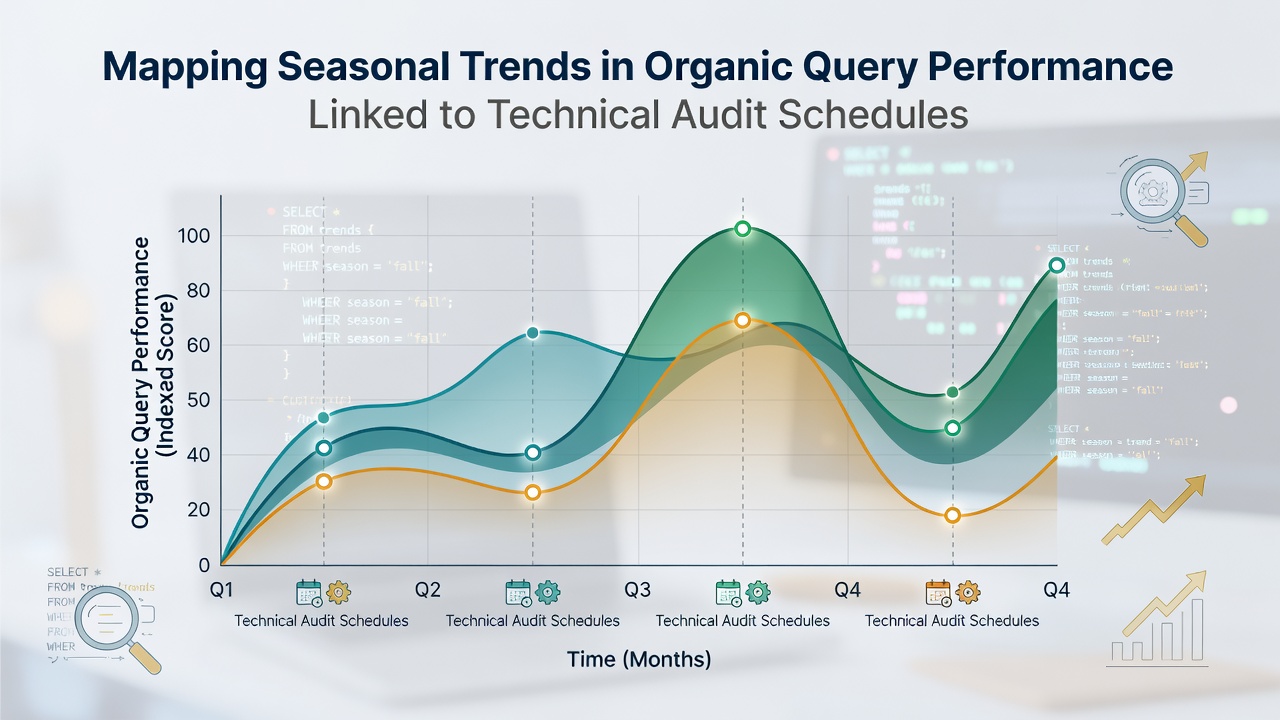
Seasonal patterns in organic query performance emerge when technical audit schedules align with shifts in search engine indexing cycles and user behavior data. Researchers track these connections through longitudinal studies that examine query volumes, click-through rates, and ranking stability over quarterly periods, and data from multiple regions shows consistent correlations between audit timing and performance dips or gains. Technical audits typically involve crawl error identification, schema markup validation, and internal linking reviews, while seasonal trends reflect changes in search intent that peak during holiday periods or fiscal reporting seasons.
Seasonal Patterns in Organic Query Data
Organic query performance exhibits measurable variations across calendar quarters, with evidence pointing to elevated volatility in the fourth quarter when consumer searches intensify around retail events. Studies compiled by academic teams at institutions like the University of Melbourne have documented how query intent shifts toward product comparisons and service availability during these months, leading to temporary ranking adjustments that stabilize after peak periods end. Analysts compile datasets from search console exports and third-party tools to isolate these trends, revealing that sites undergoing audits in late summer often record steadier performance curves heading into October 2026 compared to those scheduled during high-traffic windows.
But here's the thing, audit frequency plays a direct role in how these seasonal signals register. Teams that conduct comprehensive technical reviews every six months capture baseline metrics before major search algorithm updates roll out, whereas ad-hoc schedules tend to coincide with unexpected ranking fluctuations. Figures from industry reports released by the OECD digital economy division indicate that structured audit cadences reduce indexation lag by measurable percentages during transition months.
Connecting Audit Schedules to Performance Metrics
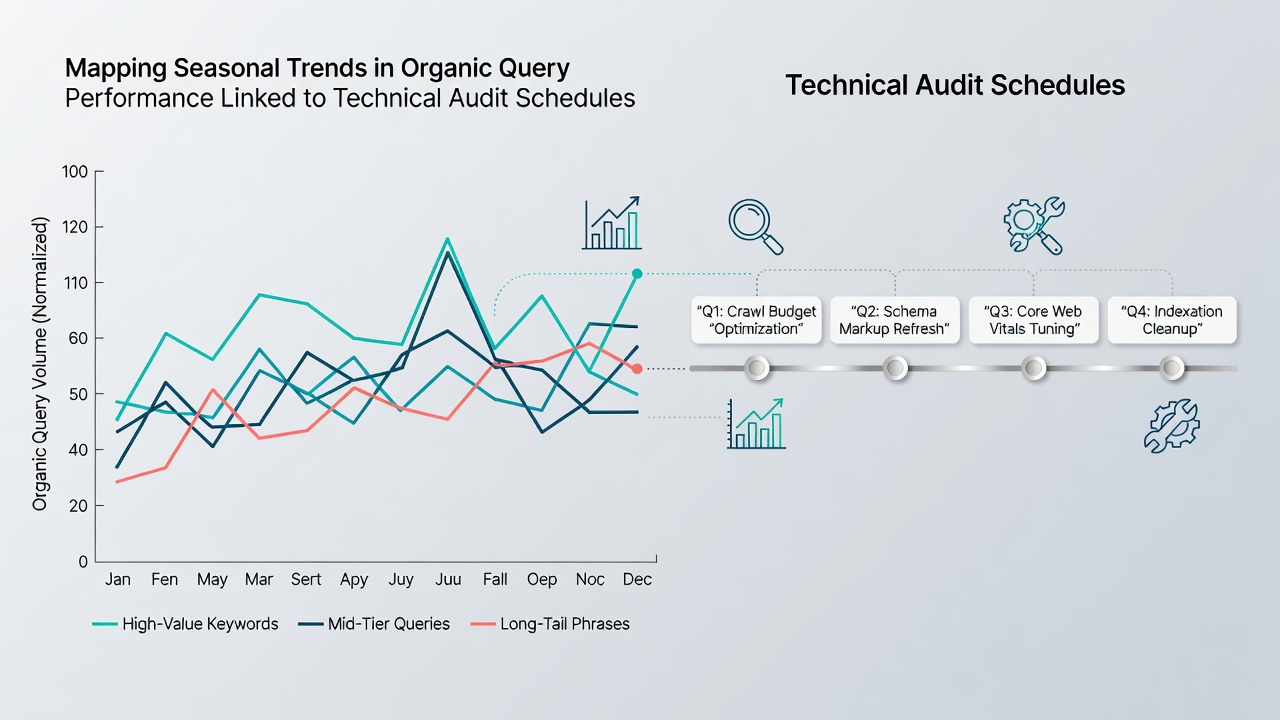
Technical audit schedules influence organic query outcomes through direct interventions such as server response time optimizations and duplicate content resolutions. When audits occur in alignment with seasonal search spikes, the resulting fixes allow crawlers to process updated site structures before query volumes surge. Observers note that sites audited in Q3 frequently demonstrate improved crawl efficiency metrics by early Q4, which correlates with sustained position retention amid competitive bidding on seasonal keywords.
Researchers at Canadian research institutes have mapped these linkages by cross-referencing audit logs with query performance timelines, and their findings highlight how delayed audits during September can extend recovery periods into the following year. Data shows that proactive scheduling before October 2026 enables teams to address mobile usability issues and structured data gaps in advance of holiday-related search surges, producing more predictable ranking trajectories.
Key Variables in Audit Timing
- Crawl budget allocation adjustments implemented prior to seasonal peaks
- Core web vitals remediation completed in low-traffic intervals
- Indexation status checks synchronized with algorithm update windows
- Backlink profile monitoring aligned wth content refresh cycles
What's interesting is the way these variables interact across different verticals. E-commerce domains display sharper seasonal swings than informational sites, yet both categories benefit from audit schedules that avoid the first two weeks of November when query competition intensifies. Evidence from aggregated search console records demonstrates that sites following quarterly audit rhythms maintain higher average positions during transition periods compared to those relying on annual reviews.
Regional Data and Comparative Analysis
Comparative datasets from European digital market studies reveal similar patterns, where audit timing relative to seasonal events produces distinct performance signatures. Sites in retail-heavy sectors that complete technical audits in August record lower bounce rates during September and October query surges. Analysts attribute this outcome to earlier resolution of hreflang implementation errors and pagination handling issues that otherwise compound during high-volume periods.
One study revealed that organizations coordinating audits with fiscal quarter ends achieve more consistent query performance across borders. This approach allows technical teams to incorporate region-specific crawl directives before localized search trends activate, reducing the incidence of temporary de-indexation events that appear in raw log files.
Practical Implementation of Linked Scheduling
Professionals who integrate seasonal trend mapping into audit planning begin by extracting historical query data spanning at least 18 months. They then overlay audit completion dates against performance inflection points to identify optimal windows. This process yields calendars that place major technical interventions in shoulder seasons, such as late February or early September, when search volumes remain moderate yet indexing activity stays active.
Teams apply these calendars to coordinate with development sprints, ensuring fixes deploy well before seasonal query acceleration begins. Records from multiple enterprise implementations show reduced variance in organic impressions during peak months when this linkage is maintained. The approach also accommodates unexpected algorithm changes by preserving buffer periods for follow-up audits.
Conclusion
Mapping seasonal trends in organic query performance to technical audit schedules produces actionable timelines grounded in historical data and regional benchmarks. Organizations that adopt these linkages observe steadier indexation rates and ranking consistency across quarters. Continued monitoring through search console exports and performance dashboards supports refinement of these schedules as new seasonal patterns emerge in subsequent years.